

Table of Contents
- How AI-Powered Prospect Research and Account Intelligence Drive Efficiency
- How Automated Personalization at Scale Enhances Outreach
- How Intelligent Lead Scoring and Prioritization Streamline SDR Efforts
- How Conversational AI and Meeting Scheduling Boost Efficiency
- How Multi-Channel Orchestration and Sequencing Creates Unified Workflows
- How Performance Analytics and Continuous Optimization Creates Self-Improving Systems
- Key Takeaways
- Conclusion: Building AI-First Outbound Systems
- FAQs
AI is fundamentally changing how B2B companies generate pipeline, moving from manual Sales Development Representative (SDR) work to intelligent automation. Sales teams are now using AI to handle repetitive tasks, allowing SDRs to focus on high-value conversations. This shift is not about replacing SDRs but reimagining their role for strategic impact and predictable revenue. This article covers the specific AI transformations happening in real B2B workflows today, demonstrating how these advancements are reshaping outbound sales.
How AI-Powered Prospect Research and Account Intelligence Drive Efficiency
AI tools now analyze thousands of data points to identify high-fit prospects automatically, significantly reducing the manual effort traditionally required for prospecting. This capability allows B2B teams to pinpoint ideal customer profiles with unprecedented precision. For example, AI predictive lead scoring achieves 85-95% accuracy compared to traditional methods' 60-75%, delivering 25% pipeline growth and eliminating wasted time on low-potential prospects (Persana.ai).
Real-time company signals, such as funding rounds, hiring surges, or tech stack changes, trigger outreach at optimal moments. AI enriches CRM data with behavioral insights, firmographics, and buying intent signals, ensuring that outreach is always timely and relevant. Sales teams using AI Workspace can now perform prospect research in under 90 seconds, a 25x increase in research speed from 20 minutes (Supahuman.com).
- AI analyzes thousands of data points to identify high-fit prospects automatically.
- Real-time company signals trigger outreach at optimal moments.
- CRM data is enriched with behavioral insights, firmographics, and buying intent signals.
- AI research reduces hours of manual work per prospect list, increasing efficiency.
How Automated Personalization at Scale Enhances Outreach
AI generates contextual, personalized email copy based on extensive prospect data and company information, moving far beyond basic token insertion. This dynamic messaging adapts to industry, role, company size, and recent activity, making each outreach feel unique. For instance, AI-driven personalization yields a 13.44% increase in click-through rates (CTR) and 41% revenue growth compared to non-personalized campaigns (Humanic.ai).
AI systems automatically test and optimize subject lines, calls-to-action (CTAs), and messaging variants to achieve the best engagement. This differs significantly from basic mail merge by providing true relevance, not just token insertion. Hyper-personalized outreach using AI SDRs increases response rates by 25% and conversion rates by 15% through data-driven insights from 350+ sources (Persana.ai). This capability allows sales teams to operate at unprecedented scale without sacrificing personalization.
How Intelligent Lead Scoring and Prioritization Streamline SDR Efforts
AI models predict which prospects are most likely to convert based on historical data and engagement patterns, providing SDRs with a strategic advantage. This ensures that SDRs receive prioritized lists, showing who to contact first and why. Real-time scoring adjusts as prospects engage, optimizing follow-up timing. Organizations implementing AI-powered lead scoring achieve 40% improvements in qualification accuracy compared to manual or rule-based systems (Landbase.com).
AI identifies hidden patterns in successful deals that humans often miss. This data-driven approach allows sales teams to focus their efforts on high-quality leads, improving efficiency and overall sales productivity. Companies using AI-driven scoring achieve 40% conversion rates for properly scored leads versus 11% for unqualified prospects (Landbase.com).

How Conversational AI and Meeting Scheduling Boost Efficiency
Conversational AI chatbots and email assistants handle initial qualification questions and objection responses, automating the early stages of the sales cycle. These tools eliminate back-and-forth coordination for meeting scheduling, freeing up SDRs' time. AI can even conduct preliminary discovery conversations before human SDRs engage, ensuring prospects are better qualified.
For example, Drift's conversational AI chatbots show 40% higher engagement rates than traditional interfaces and handle 50% of buyer conversations outside business hours (Qualified.com). This 24/7 engagement capability addresses time zone challenges and provides timely responses to prospects. The B2B chatbot adoption rate is 58% as of 2025 (Envive.ai).
- AI chatbots handle initial qualification and objection responses.
- Automated meeting scheduling eliminates back-and-forth.
- AI conducts preliminary discovery before human SDRs engage.
How Multi-Channel Orchestration and Sequencing Creates Unified Workflows
AI coordinates outreach across email, LinkedIn, phone, and other channels based on prospect behavior, ensuring a cohesive and impactful strategy. Intelligent sequencing determines the optimal timing, frequency, and channel mix for each prospect. AI pauses or adjusts campaigns based on engagement signals to avoid over-contacting, maintaining a positive prospect experience.
Multi-channel outreach campaigns using three or more channels achieve 287% higher purchase rates compared to single-channel strategies (Landbase.com). LinkedIn messages achieve a 10.3% response rate, approximately double email's 5.1% average (Landbase.com). When LinkedIn and email are combined, they deliver 3x better conversion rates than either channel alone (Landbase.com).
AI creates unified workflows instead of disconnected campaigns, ensuring every touchpoint is strategic. This integration is crucial for maximizing engagement and conversion rates in today's complex B2B landscape. For more on building these advanced systems, explore our AI outbound systems.
This table compares how AI-powered SDR systems differ from traditional manual outbound workflows across critical operational areas. It helps B2B leaders understand what changes when AI is introduced and where the biggest efficiency gains occur.
| Workflow Component | Traditional SDR Approach | AI-Powered Approach | Impact on Results |
|---|---|---|---|
| Prospect Research | Manual searching, CRM data entry, hours per prospect. | AI analyzes thousands of data points, real-time signals. | 25x faster research, 85-95% accuracy in lead identification (Persana.ai). |
| Account Targeting | Broad segments, based on basic firmographics. | Predictive analytics identifies high-intent accounts with dynamic scoring. | 40% improvement in qualification accuracy (Landbase.com), 50% more sales-ready leads (Landbase.com). |
| Email Personalization | Basic mail merge (first name, company). | Generative AI creates contextual, dynamic copy based on deep prospect data. | 13.44% increase in CTR (Humanic.ai), 2x reply rates for advanced personalization (Martal.ca). |
| Lead Scoring | Rule-based, static points, prone to human bias. | Machine learning models predict conversion likelihood, real-time adjustments. | 40% conversion rates for qualified leads (Landbase.com), 31% faster lead servicing (Default.com). |
| Follow-Up Timing | Fixed schedules, manual tracking. | AI optimizes timing and frequency based on prospect engagement signals. | Reduced lead response times by 80% (Persana.ai), higher close rates. |
| Performance Analysis | Retrospective reporting, manual insights. | Real-time analytics, predictive forecasting, continuous optimization. | Up to 20% sales forecasting accuracy improvement (Superagi.com), self-improving systems. |
How Performance Analytics and Continuous Optimization Creates Self-Improving Systems
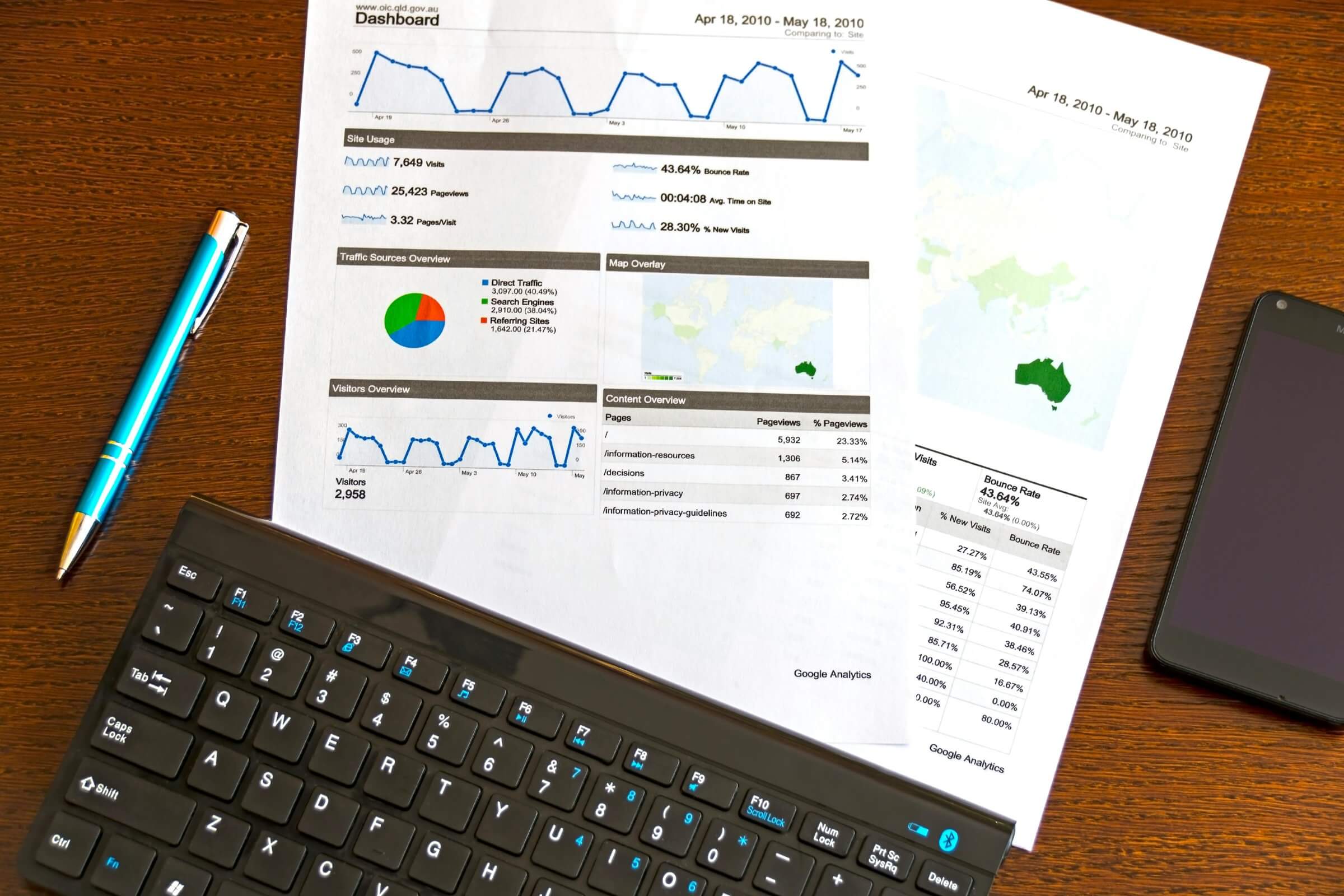
AI analyzes campaign performance in real-time, identifying what messaging and timing works best for lead generation. Predictive analytics forecast pipeline outcomes and suggest adjustments before campaigns underperform. This proactive approach ensures that outbound strategies are always optimized for maximum impact.
AI detects deliverability issues, spam triggers, and engagement drop-offs automatically, protecting domain health and maximizing inbox placement. B2B emails achieve an average delivery rate of 98.16%, with Google inbox placement leading at 87.2% (Nukesend.com). This turn SDR workflows into self-improving systems rather than static processes. AI-powered forecasting achieves 79% accuracy compared to 51% for traditional methods (Superagi.com).
Key Takeaways
- AI is fundamentally rebuilding SDR workflows, shifting from manual tasks to intelligent automation.
- AI-powered systems significantly improve prospect research, personalization, and lead scoring accuracy.
- Conversational AI and multi-channel orchestration create seamless, highly effective outreach.
- Real-time analytics and continuous optimization ensure campaigns are always performing at their peak.
- Companies adopting AI-powered SDR workflows gain predictable, scalable pipeline growth and a competitive edge.
Conclusion: Building AI-First Outbound Systems
AI is no longer a feature add-on; it's the foundation of modern B2B outbound. Companies that adopt AI-powered SDR workflows gain predictable, scalable pipeline growth, transforming their revenue generation capabilities. The global AI SDR market is projected to grow from $4.27 billion in 2025 to $18.19 billion by 2032, highlighting the rapid adoption and impact (Fortune Business Insights).
The future belongs to teams that combine AI efficiency with human strategic thinking. While 36% of B2B companies cut their SDR headcount in 2025 (Saastr.com), this signals a shift towards more efficient, AI-augmented roles rather than a complete elimination of the function. Danish Lead Co. builds done-for-you AI outbound systems that handle everything from targeting to optimization, providing a predictable and scalable pipeline without the need for extensive internal resources.